Choosing the right signage material is as crucial as the design itself, as it reflects your brand’s professionalism and determines the sign’s longevity. While quality signage instills customer confidence, the wrong material choice can lead to high maintenance costs and frequent replacements.
Understanding Different Signage Materials
To make an informed decision, you first need to know what options are available. While there are dozens of substrates used in the sign industry, four main categories dominate the market due to their versatility and performance.
Acrylic
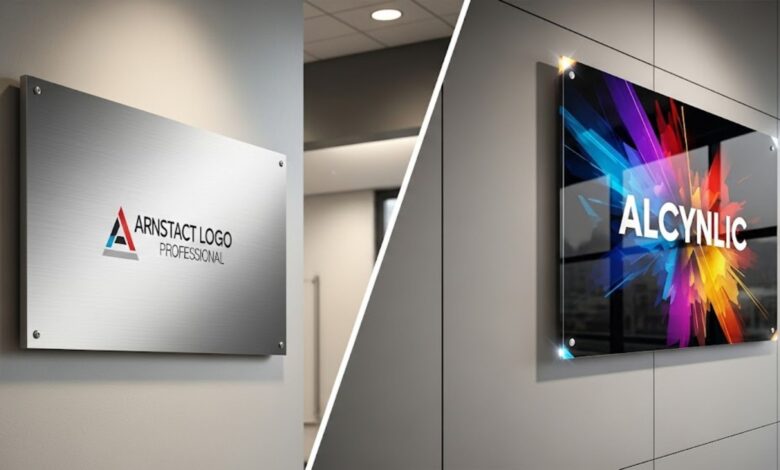
Acrylic, often known by brand names like Plexiglass, is a favorite for businesses aiming for a sophisticated, high-end look. It mimics the clarity and sleekness of glass but weighs significantly less and is much more resistant to shattering.
This material is incredibly versatile. It can be heated and molded into various shapes, making it ideal for 3D lettering and illuminated channel signs. Because it has a glossy finish, it catches the light beautifully, giving logos a vibrant, professional sheen. Acrylic is available in a vast array of colors, or it can be left transparent for a “floating” effect when mounted with standoffs.
However, acrylic does have vulnerabilities. While harder to break than glass, it can scratch relatively easily if not cleaned with the right products. It can also crack under high impact.
Aluminum
If durability is your primary concern, aluminum is the gold standard. It is arguably the most robust material for signage, offering exceptional resistance to the elements without rusting. This makes it perfect for roadside signs, real estate markers, and permanent storefront fixtures.
Manufacturers often use aluminum in two forms: solid sheets or aluminum composite panels (ACP), often referred to as Dibond. ACP consists of a polyethylene core sandwiched between two thin sheets of aluminum. This provides the rigidity and strength of metal but remains lightweight and easy to mount.
The finish on aluminum signs is typically baked on, meaning the paint resists chipping and fading for years. It conveys a sense of stability and industrial strength, making it a popular choice for manufacturing plants, parking lots, and corporate exteriors.
Wood
For businesses that want to convey warmth, tradition, or eco-friendliness, wood remains a classic choice. It offers a rustic, organic aesthetic that plastic and metal simply cannot replicate. You will often see carved or sandblasted wood signs at bed and breakfasts, boutique shops, campsites, and artisan bakeries.
Common woods used include cedar, redwood, and specialized exterior-grade plywoods. These woods are naturally more resistant to rot and insects than softer varieties like pine.
The trade-off with wood is maintenance. It is a biological material that reacts to moisture and temperature changes. Without regular sealing, painting, or varnishing, wood signs can warp, crack, or rot. Choosing wood means committing to an ongoing maintenance schedule to keep the sign looking its best.
PVC
Polyvinyl Chloride (PVC) is a widely used plastic in the signage industry, valued for its cost-effectiveness and versatility. It typically comes in a matte finish which eliminates glare, making the text easy to read from a distance or under bright lights.
Expanded PVC board (often called Sintra) is lightweight and rigid. It is easy to cut into custom shapes and takes digital printing very well, resulting in vibrant, high-resolution graphics.
While PVC is an excellent material, it has limitations regarding heat. Dark-colored PVC can warp if placed in direct, scorching sunlight for extended periods. Therefore, while it is waterproof and durable, it is often better suited for indoor use or temporary outdoor applications rather than permanent, sun-exposed exterior signage.
Factors to Consider When Choosing Materials
Knowing the materials is step one; applying that knowledge to your specific situation is step two. Several critical variables should guide your final selection.
Durability
How long does this sign need to last? If you are signing a lease for five to ten years, you need a material that matches that commitment. Aluminum and high-grade acrylic are long-term investments. They will withstand years of wear and tear. Conversely, if the sign is for a seasonal promotion or a short-term pop-up shop, paying for ten-year durability is a waste of budget. In those cases, foam core or thinner PVC is sufficient.
Weather Resistance
The environment where the sign lives is the biggest dictator of material choice.
- Sunlight: UV rays are destructive. They fade ink and make plastics brittle. If your sign faces south and gets full sun, you need UV-resistant laminates and materials like aluminum or UV-stabilized acrylic.
- Moisture: Wood absorbs water; untreated steel rusts. In rainy or humid climates, waterproof materials like plastic, acrylic, or non-ferrous metals are non-negotiable.
- Wind: A large, solid sign acts like a sail. In windy areas, you need a material with high tensile strength (like reinforced aluminum) and a mounting system that can handle the load.
Cost
Budget is always a factor, but it is important to view signage cost through the lens of longevity. A wooden sign might be cheaper initially than a custom-fabricated metal sign, but if the wood requires repainting every two years and replacement after seven, the lifetime cost is higher.
- Low Budget: PVC, Coroplast (corrugated plastic), Vinyl banners.
- Mid-Range: Painted plywood, standard Aluminum composite, flat Acrylic.
- High Budget: Carved hard wood, fabricated Aluminum, illuminated Acrylic channel letters.
Aesthetics
Finally, the material must match your brand voice. A tech startup probably shouldn’t use a rustic, chipped-paint wooden sign; it creates a cognitive dissonance for the customer. Similarly, a nature reserve might look out of place with a neon-colored plastic sign. The texture, finish, and weight of the material communicate a subliminal message about your brand’s personality.
Matching Materials to Specific Signage Needs
To help synthesize this information, here is how different materials generally pair with common business needs.
Outdoor vs. Indoor Signage
Outdoor signs fight a constant battle against nature. Here, Aluminum is king due to its rust resistance. Acrylic is also a strong contender for outdoor use, especially for illuminated light boxes that need to be seen at night. However, care must be taken to ensure water doesn’t seep into the electrical components.
Indoor signage faces different challenges. It doesn’t need to survive a storm, but it will be viewed up close. Imperfections are more visible. Acrylic excels indoors for lobby signs and directory boards because of its high-gloss, premium finish. PVC is excellent for aisle markers and point-of-purchase displays because it is lightweight and safe to hang above customers. For a unique indoor solution that requires no physical substrate at all, you might even consider a custom gobo projector to display your logo on the floor or wall using light.
Temporary vs. Permanent Signage
For permanent fixtures—like the main sign above your door or a monument sign at the street entrance—longevity is the priority. Invest in heavy-gauge Aluminum or high-impact Acrylic.
For temporary needs—such as “Coming Soon” signs, real estate listings, or event directions—Coroplast (corrugated plastic) or thin PVC is ideal. These materials are inexpensive and lightweight. You can use them for the duration of the event or campaign and recycle or discard them afterward without a significant financial loss.
Conclusion
Selecting the right material for your signage is about finding the balance between form and function. It requires weighing the environmental conditions of the installation site against your budget and your brand’s aesthetic goals.