

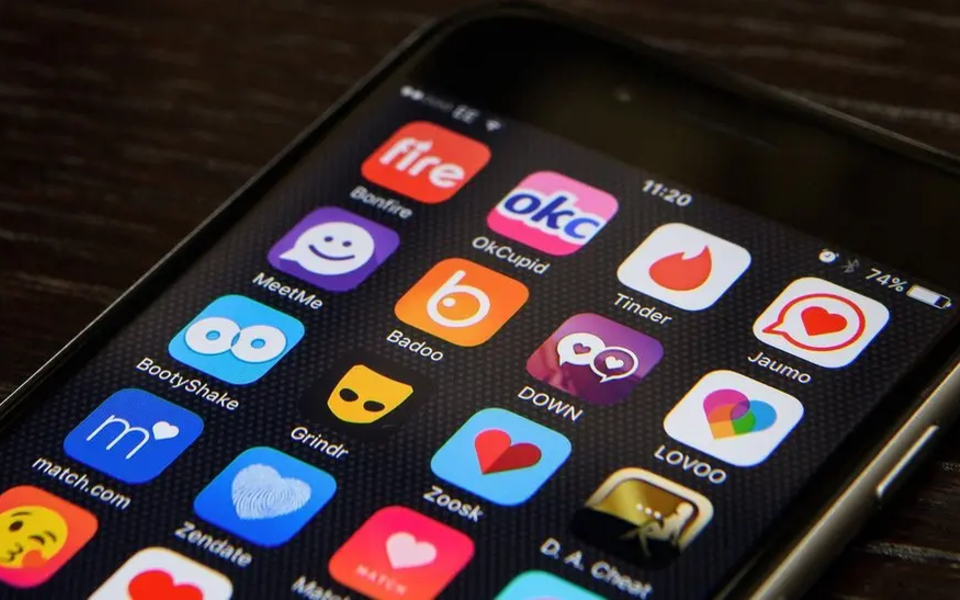
Most people who have used a dating app in the past two years can tell you the same thing without needing a survey to confirm it. The process feels hollow. You swipe, you match, you exchange a few dry messages, and then the conversation dies or leads nowhere. A 2024 Forbes Health/OnePoll survey of 1,000 American dating app users put a number to that feeling: 78% said they were emotionally exhausted by online dating. The number climbed higher among Gen Z and Millennial respondents, reaching 79%.
What stood out in that data was the top reason people gave for their burnout. It wasn’t bad dates or rude messages. 40% said they simply could not find a good connection.
That response tells you something specific. The apps are full of people. The apps are not short on options. But the options often don’t align with what users are actually looking for, and the longer someone stays on a platform without success, the more frustrating the experience becomes.
The Business Side Is Feeling It Too
Users are leaving. Match Group reported in its Q1 2025 earnings that paying subscribers fell 5% year over year, landing at 14.2 million. Bumble’s Q3 2025 revenue dropped 10% to $246.2 million, and its paying user base shrank 16% to 3.6 million. These are not small dips. When paying users leave at that rate, it signals that the product itself is no longer delivering enough value to keep people engaged.
Pew Research data fills in the picture from the user side. Roughly 88% of men and 90% of women said they were disappointed by the people they encountered on apps. That level of dissatisfaction across both genders suggests a structural issue, not just bad luck.
People Want Different Things, and Most Apps Ignore That
Dating apps tend to funnel everyone into the same pool. Someone looking for a sugar baby ends up using the same interface as someone seeking a long-term relationship or a casual connection. That flattening of intent makes it harder for anyone to find what they actually want, and it contributes to the exhaustion highlighted in the 2024 Forbes Health survey
A better approach would allow users to define their preferences clearly before matching begins. Filtering by relationship type, lifestyle compatibility, and communication style could significantly reduce wasted time and improve the quality of early interactions.
Scams Make Trust Harder to Build
The Federal Trade Commission reported that in the first nine months of 2025, consumers lost $1.16 billion to romance scams. That figure was up 22% compared to the same period in 2024. These numbers erode trust across the entire online dating environment and make users more cautious in ways that can hinder genuine connection.
When someone has to spend the first few messages wondering whether the other person is real, the interaction begins with hesitation instead of openness.
Platforms have a responsibility here. Verification systems, identity checks, and fraud detection tools should be part of the core experience, not optional features behind a paywall. Without trust, no amount of matching improvement will matter.
The Swipe Model Has Diminishing Returns
Swiping was designed for speed. It allows users to go through large numbers of profiles quickly, but it also encourages snap judgments based on limited information. This often leads to snap decisions based on photos and a few lines of text, which rewards surface-level appeal and disadvantages those who communicate better through conversation than through photos or short bios.
Over time, the swipe model can make the experience feel repetitive and transactional, eventually becoming repetitive and numbing for many users. Users begin to treat profiles as disposable, which works against the slower, more thoughtful interactions that tend to lead to meaningful connections.
AI Could Help, But It Depends on How It’s Used
Match Group has committed $60 million toward AI development at Tinder, including a tool called Chemistry that aims to improve matching. Hinge has reported that its AI recommendation engine led to a 15% increase in matches. Bumble is building what it describes as an AI-first, cloud-native platform expected to launch by mid-2026.
The key question is what these systems are optimizing for. If AI is designed to increase engagement—such as time spent on the app or number of swipes—it may reinforce existing problems. If it focuses on match quality, compatibility, and conversation depth, it could meaningfully improve user outcomes.
Users should evaluate these tools based on real results: not how many matches they receive, but how many lead to genuine conversations and potential relationships.
What Would Actually Make Things Better
A few practical changes could improve the experience without requiring a complete redesign. Apps could limit daily swipes to encourage more thoughtful decision-making. Profile prompts could focus more on values, goals, and expectations rather than surface-level preferences.
Matching algorithms could prioritize behavioral signals—such as response time and conversation engagement—over simple attractiveness metrics.
Platforms could also be more transparent about their user base. Sharing insights such as gender ratios or the dominant dating intent in a region could help users make more informed decisions and reduce frustration.
The problems with dating apps are specific and identifiable. The solutions do not necessarily require new technology, but rather a shift toward prioritizing user outcomes over engagement metrics.
Conclusion
Finding the relationship you want on dating apps has become more difficult not because people value connection any less, but because the systems designed to create those connections are not always aligned with user expectations.
Many of the current challenges—misaligned intentions, lack of trust, swipe fatigue, and surface-level interactions—are built into the structure of these platforms. Over time, these small but consistent issues accumulate, making it harder for meaningful relationships to develop.
Improvement is possible. By focusing on quality over quantity, clarity over ambiguity, and trust over convenience, dating apps can create an environment where genuine connections are more likely to form. Until then, users may need to approach these platforms with more awareness and realistic expectations.
FAQ
Why do dating apps feel so exhausting today?
Dating apps often rely on repetitive swiping and shallow interactions. When meaningful connections are rare, users can quickly feel emotionally drained.
Why is it harder to find a good match on dating apps?
Most apps place users with different relationship goals into the same pool, which leads to mismatched expectations and less satisfying interactions.
Are dating apps becoming less effective?
User dissatisfaction and declining subscriber numbers suggest that many platforms are struggling to deliver consistent value, especially in terms of match quality.
Can AI actually improve online dating?
AI can improve matching, but only if it focuses on compatibility and meaningful interactions rather than increasing user engagement alone.
What changes could improve dating apps?
Better filtering, stronger verification systems, transparent user data, and more thoughtful matching processes could significantly improve the overall experience.