

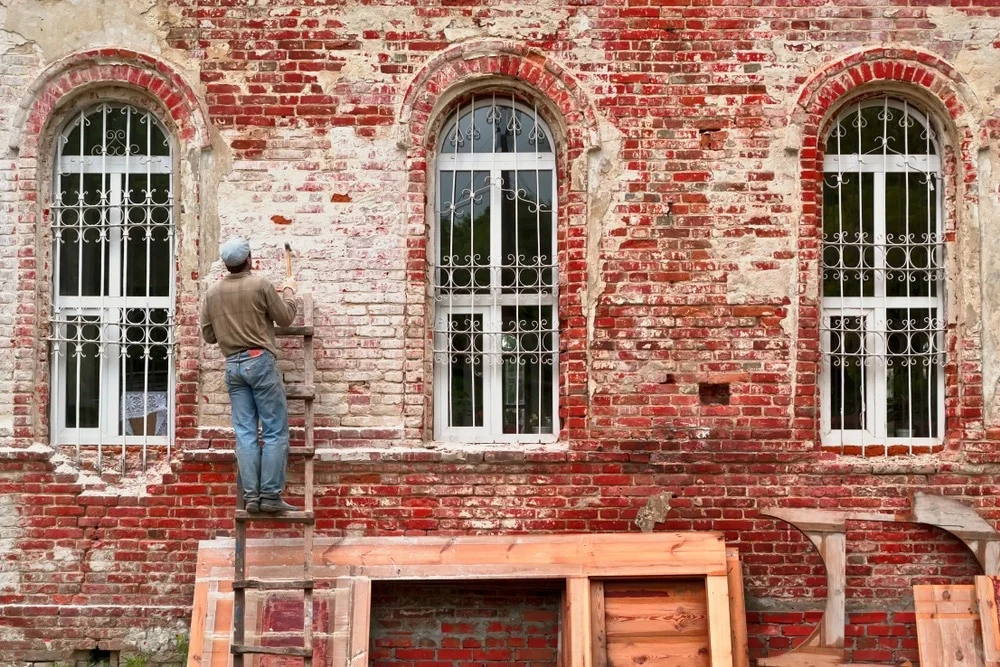
Historic buildings are more than just old structures—they are tangible pieces of history that tell stories about the people, cultures, and communities that shaped them. Restoring these buildings requires careful planning, specialized knowledge, and a deep respect for architectural heritage. When done correctly, historic restoration not only preserves the past but also ensures that these structures remain functional and meaningful for future generations.
Successfully restoring a historic building is a complex process that involves research, structural assessment, proper materials, and skilled craftsmanship. Here are the essential elements that make historic restoration successful.
Understanding the Building’s History
Before any restoration work begins, it is essential to understand the building’s historical significance. This involves researching its architectural style, construction techniques, original materials, and past renovations.
Architectural drawings, historical records, photographs, and archival documents often provide valuable insight into how the building originally looked and functioned. Consulting historians, preservation specialists, and local heritage organizations can also help ensure the restoration remains true to the building’s historical character.
Understanding the building’s story helps restoration teams make informed decisions about what should be preserved, repaired, or reconstructed.
Conducting a Thorough Structural Assessment
Historic buildings often face structural challenges due to age, environmental exposure, and previous alterations. A comprehensive structural assessment helps identify issues such as foundation instability, water damage, wood rot, and weakened masonry.
Engineers and restoration specialists carefully inspect walls, beams, roofing systems, and foundations to determine the building’s overall stability. This evaluation allows the team to develop a restoration plan that addresses both structural integrity and historical preservation.
In many cases, strengthening the structure is necessary before cosmetic restoration can begin.
Using Authentic and Compatible Materials
One of the most important principles of historic restoration is maintaining material authenticity. Whenever possible, restorers aim to use the same materials that were originally used in the building’s construction.
For example, historic brick structures often require specially matched mortar to maintain their appearance and durability. Using incompatible materials can cause damage over time, particularly when modern materials expand and contract differently than traditional ones.
When original materials are unavailable, restoration experts carefully select alternatives that closely match the original in both appearance and performance.
Employing Skilled Craftsmanship
Historic restoration often requires specialized craftsmanship that is becoming increasingly rare. Skilled masons, carpenters, plasterers, and metalworkers are essential for recreating traditional building techniques and architectural details.
Restoration projects may involve repairing ornate woodwork, restoring decorative plaster ceilings, rebuilding stone facades, or recreating historic windows. These tasks require patience, attention to detail, and a deep understanding of traditional construction methods.
Proper craftsmanship ensures that the restored building maintains its historical character while meeting modern safety standards.
Balancing Preservation with Modern Functionality
While preserving historical features is crucial, restored buildings must also meet modern requirements for safety, accessibility, and efficiency. Successful restoration projects strike a careful balance between maintaining historical authenticity and integrating modern improvements.
This may include upgrading electrical systems, installing modern plumbing, improving insulation, or incorporating fire safety features. These upgrades must be carefully designed so they do not compromise the building’s original architecture.
When done thoughtfully, modernization can enhance the building’s usability while preserving its historical charm.
Ensuring Proper Safety Measures
Restoration projects often involve working on aging structures, which can present safety risks. Scaffolding, protective barriers, and specialized equipment help ensure workers can safely access and repair elevated sections of the building.
For masonry restoration work, contractors may look for reliable equipment such as masonry scaffolding for sale to safely support workers while they repair brickwork, stone facades, and other structural elements.
Maintaining proper safety standards protects both the restoration team and the building itself during the project.
Securing Permits and Preservation Approvals
Many historic buildings are protected by preservation laws and regulations. Before restoration work begins, property owners may need approval from local preservation boards or government agencies.
These organizations often provide guidelines to ensure that restoration efforts maintain historical integrity. Following these regulations not only protects the building’s heritage but may also make property owners eligible for grants, tax incentives, or preservation funding.
Proper documentation and compliance are essential components of a successful restoration project.
The Lasting Value of Historic Restoration
Restoring historic buildings is both a challenge and a responsibility. These projects require patience, expertise, and collaboration between architects, engineers, craftsmen, and preservation specialists.
When done successfully, historic restoration preserves cultural heritage, strengthens communities, and gives new life to structures that might otherwise be lost. By respecting the past while preparing for the future, restoration projects ensure that historic buildings continue to inspire and serve generations to come.