

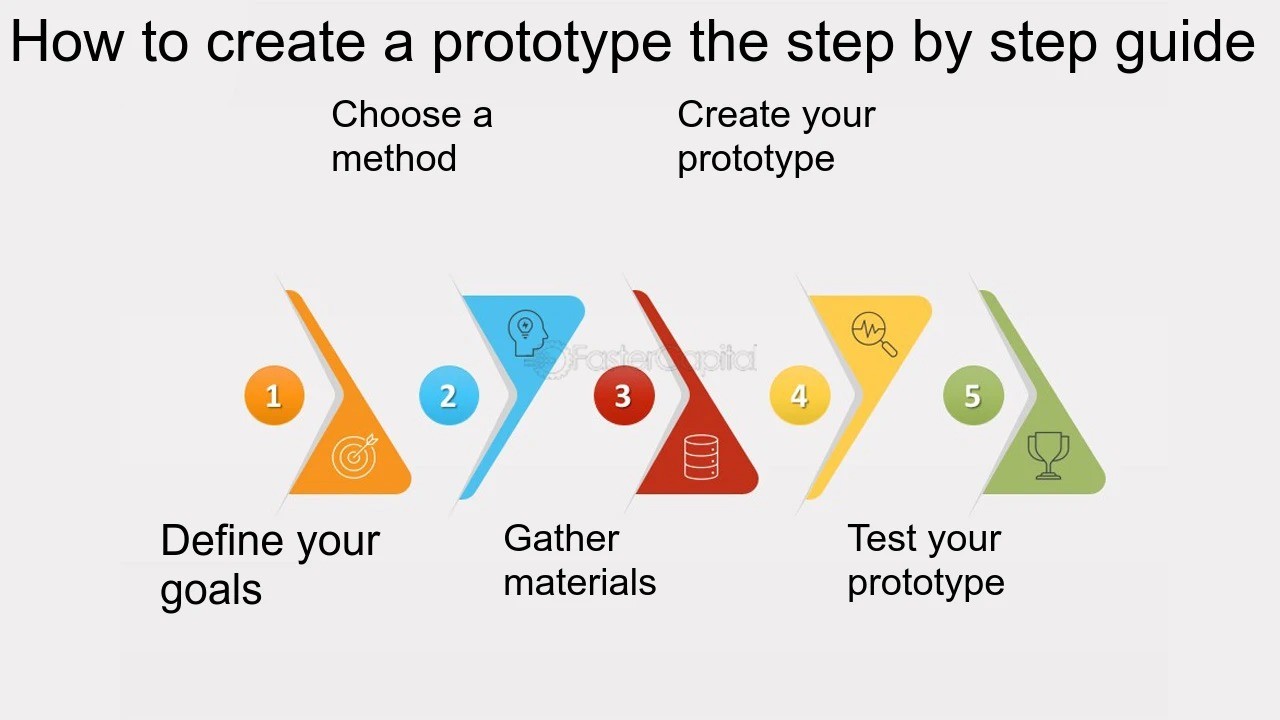
The journey from a napkin sketch to a physical product has historically been one of the most significant hurdles for British entrepreneurs. In the past, creating a functional prototype required massive upfront investment, specialised tooling, and weeks if not months of waiting for parts to arrive from overseas. For many small businesses and garage-based inventors, these barriers were often insurmountable, stalling innovation before it could even begin.
Today, the landscape for UK startups has shifted dramatically. The accessibility of high-quality materials and localised manufacturing services means that the fail fast, learn faster philosophy isn’t just a Silicon Valley buzzword; it’s a practical reality for businesses across the UK. By leveraging modern fabrication techniques, founders can now iterate on their designs with a level of speed and precision that was previously reserved for multinational corporations.
The Shift Towards Rapid Fabrication
One of the primary reasons prototyping costs have plummeted is the move away from traditional moulding and manual machining. Traditional injection moulding, while efficient for mass production, requires expensive steel or aluminium moulds that can cost thousands of pounds. For a startup that might need to change its design three times in a month, this is a financial dead end.
Instead, startups are turning to subtractive manufacturing processes that don’t require bespoke tooling. Using Simply Plastics CNC laser cutting, designers can take digital CAD files and translate them into physical plastic components in a matter of hours. This process allows for incredible intricacy, ensuring that every edge is clean and every dimension is exact, which is vital when testing how parts fit together in a complex assembly.
Why Plastic is the Ideal Prototyping Material
Choosing the right material is a balance of cost, durability, and ease of use. While 3D printing is popular for initial look and feel models, it often lacks the structural integrity or aesthetic finish required for functional testing. Plastic sheets, such as acrylic or polycarbonate, offer a professional finish that closely mimics the final retail product.
- Acrylic (Perspex): Excellent for visual models due to its clarity and wide range of colours.
- Polycarbonate: Used when the prototype needs to withstand impact or high-stress testing.
- PVC Foamboard: A lightweight and cost-effective option for larger structural mock-ups.
- Hygienic PVC: Ideal for startups developing medical or food-service equipment.
Reducing Lead Times
In the competitive UK market, being first to market can be the difference between success and failure. Localised fabrication eliminates the need for long-distance shipping and the risk of customs delays. Because CNC machines are driven by software, making a change to a design is as simple as updating a digital file. There’s no need to re-tool a factory line; you simply send the revised file and have the new part ready the next day.
Concluding Notes
The barriers to entry for product-based startups in the UK have never been lower. By combining clever digital design with precision cutting services, founders can produce high-fidelity prototypes that impress investors and accurately simulate final performance. It’s a leaner, smarter approach to manufacturing that ensures the best ideas aren’t held back by the cost of the plastic they’re made from.