

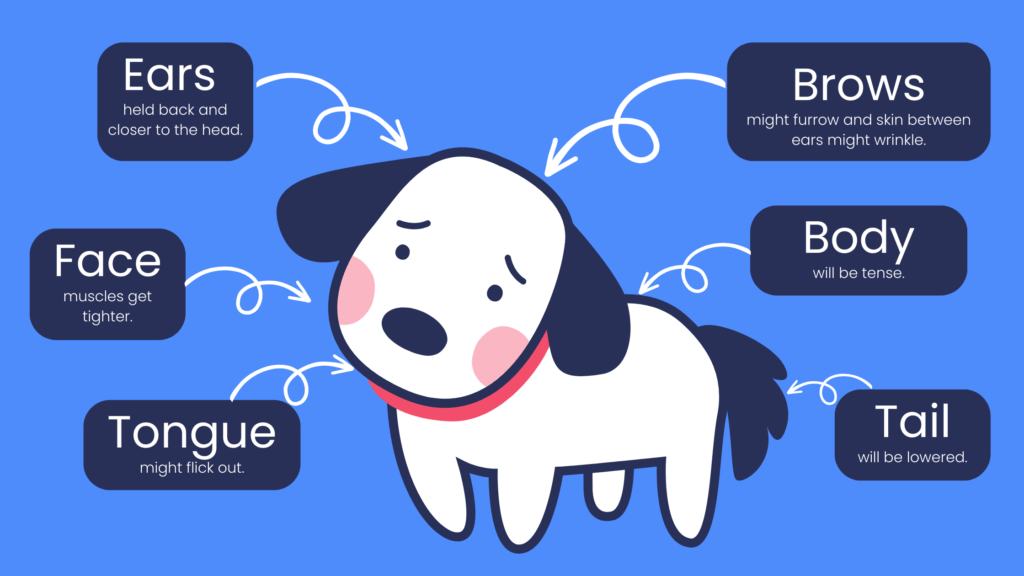
If your normally cheerful dog is suddenly clingy, nervous, or destructive, you’re not alone. Anxiety in dogs is surprisingly common, and it can show up in many ways—pacing, barking, whining, shaking, hiding, or chewing up your favorite shoes the minute you leave the house. Understanding why your dog is anxious is the first step toward helping them feel safe and secure.
Below are some of the most common causes of canine anxiety and how they might be affecting your furry friend.
1. Separation anxiety
One of the biggest culprits behind anxious behavior is separation anxiety. Dogs are social animals, and many become deeply bonded to their people. When left alone, some dogs panic because they feel unsafe or fear that you won’t come back. Signs include vocalizing, house soiling, destructive chewing, or attempts to escape. It’s not “spite” — it’s stress.
Routine changes, such as returning to work after being home more often, moving to a new house, or schedule shifts, can trigger or worsen separation anxiety.
2. Fear-based anxiety
Loud or sudden noises—fireworks, thunderstorms, vacuum cleaners, or construction sounds—often trigger fear-based anxiety. Dogs with noise sensitivities may tremble, hide, drool, pant, or try to bolt. Some dogs are also fearful of unfamiliar people, other animals, or new environments.
Fear can stem from genetics, lack of early socialization, or a traumatic experience. Even a single frightening event may leave a lasting impression on a sensitive dog.
3. Lack of socialization
Puppies go through crucial developmental windows. If they aren’t gently exposed to different sights, sounds, surfaces, people, and environments during this time, they may grow into adults who are easily overwhelmed. Under-socialized dogs often appear shy, skittish, or reactive because the world feels unpredictable and unsafe.
The good news? With patient training, many dogs can learn that new experiences are not so scary after all.
4. Previous trauma or neglect
Rescue dogs or dogs with an unknown history may carry emotional baggage. Abuse, abandonment, chronic stress, or time spent fending for themselves can all contribute to anxiety. These dogs might be wary of certain people, freeze during handling, or overreact to seemingly small triggers.
Gentle routines, predictable environments, and positive reinforcement can help them rebuild trust.
5. Changes in environment or routine
Dogs thrive on consistency. Big life changes—moving homes, new pets, a new baby, visitors staying over, or even rearranged furniture—can spark stress. Travel, boarding, or vet visits can do the same. Even small shifts like different walk times or feeding schedules may unsettle sensitive pups.
When change is unavoidable, gradual transitions and extra reassurance go a long way.
6. Health issues and pain
Sometimes anxiety isn’t behavioral at all—it’s medical. Conditions such as thyroid imbalance, cognitive dysfunction in senior dogs, vision or hearing loss, or undiagnosed pain can lead to restlessness and worry. If your dog’s anxiety seems sudden, severe, or paired with other symptoms, a veterinary exam is essential.
Treating underlying discomfort often dramatically improves behavior and overall well-being.
7. Pent-up energy and boredom
A tired dog is usually a calmer dog. Without enough physical exercise and mental stimulation, dogs may become frustrated and anxious. High-energy breeds especially need outlets like walks, play, sniffing time, puzzle feeders, and training games. Boredom can lead to destructive behavior that is often mistaken for separation anxiety.
Meeting your dog’s enrichment needs can reduce stress while also strengthening your bond.
How you can help your anxious dog
Once you understand the root cause, you can take practical steps to help. Create predictable routines, use positive reinforcement, avoid punishment, and give your dog a safe space to retreat to. Gradual desensitization and counterconditioning—teaching your dog to associate scary things with positive experiences—are powerful tools when used consistently.
Professional support can also make a big difference. Your veterinarian can rule out medical causes and discuss options like supplements or medication for severe cases. Certified trainers or behaviorists can design customized plans tailored to your dog’s triggers. For example, if you’re seeking local support, services such as dog training in Loxahatchee can provide hands-on guidance for anxious or reactive dogs.
Most importantly, be patient. Anxiety doesn’t disappear overnight, and progress often happens in small steps. Celebrate the wins, support your dog through setbacks, and remember that their anxious behaviors are expressions of fear—not stubbornness.
With understanding, structure, and compassionate training, many anxious dogs learn to relax, trust, and enjoy life again—and that’s a transformation worth every effort.